In this blog series, we speak to founders, marketing teams and VCs from our climate tech ecosystem to find out what gets them out of bed in the morning, and what challenges they have overcome to get to where they are today. It’s an opportunity to peer behind the curtain and hear directly from the people who are playing a pivotal role in shaping the future of our planet.
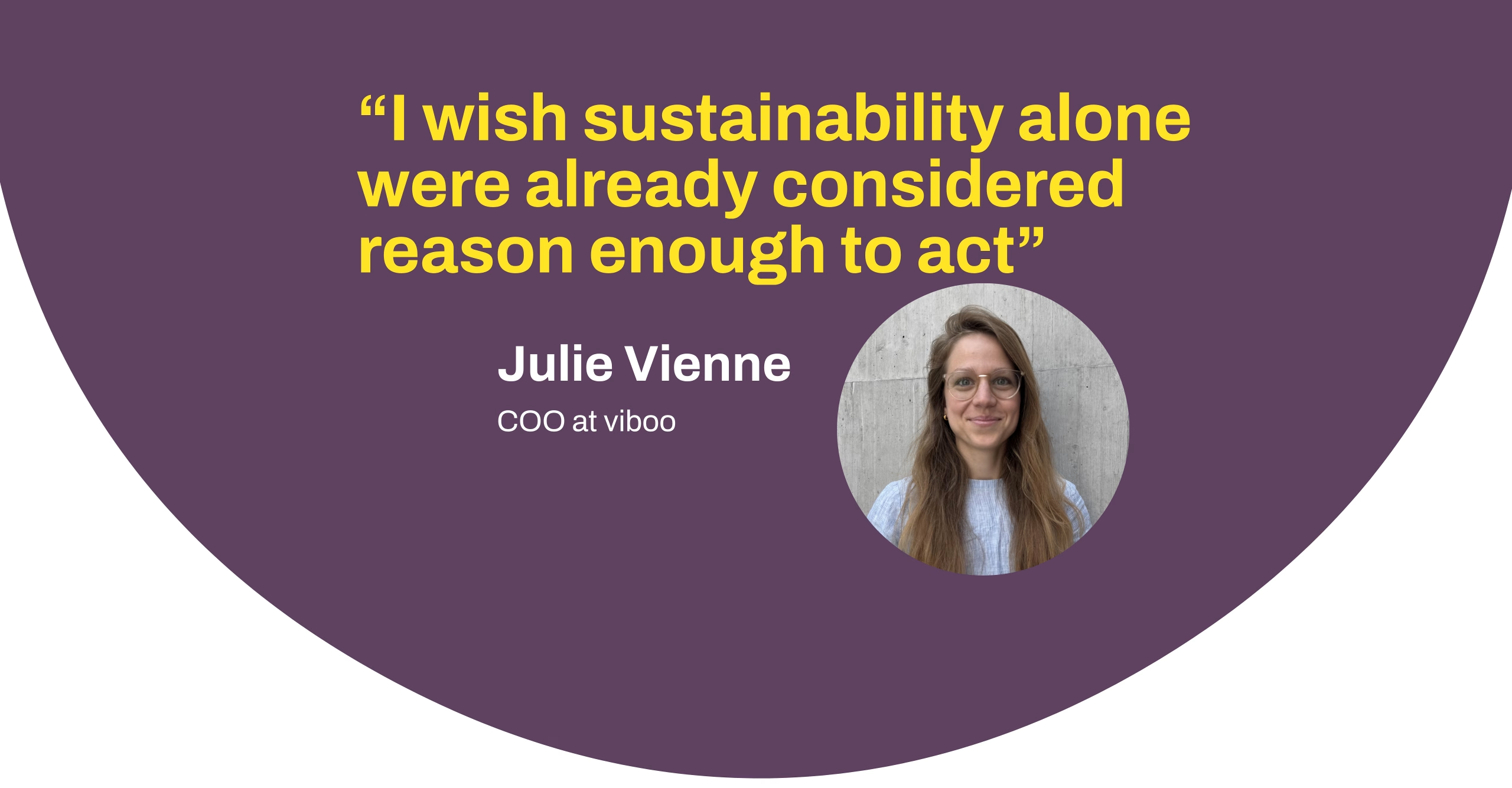
Julie Vienne is the COO at viboo, a Swiss company that provides an AI-powered building management system that makes low-tech buildings more energy efficient. She joined the company three years ago, starting as a project manager, and quickly grew the team, leading her to now oversee all business operations, including customer support and customer success.
We’ve worked closely with viboo on a couple of projects, including creating a pitch deck which helped them raise EUR 1.5m. The team is always a pleasure to work with, and the tech is something that we truly believe in, so we were delighted to get the opportunity to sit down and chat with Julie Vienne.
Our conversation revealed a lot about how she handles the challenges that come with succeeding in a senior role within a climate tech scale-up.
1. What moves you?
The opportunity to evolve the way we interact with the buildings in which we live, work and play. My fascination with buildings started when I was a child. I would play the video game The Sims and be more concerned with where they lived than with how they lived!
Then, as I got older, I discovered that civil engineering was something I could study and so I dove into that subject. But I soon realised that the focus was heavily centred on building with concrete, which felt less inspiring and innovative than I had expected.
This led me to search for a career in an industry that was more forward-thinking, which brought me to viboo.
The work that viboo is doing is a huge motivation for me. I have always wanted to contribute positively to the environment, and I have found a place where I can combine my two passions – buildings and innovation.
2. What challenges do you face?
For me, one of the biggest challenges is that the more sustainable option is often less convenient. It’s usually easier to buy fast fashion or take a plane instead of the train, while the more environmentally friendly choices can require more effort and money.
We’re currently expanding to Germany, so we have more and more projects taking place there. When I need to travel there for work, I try to take the train, but it always ends up being more of a hassle. Last week, I ended up sitting on trains for over 16 hours and I would rather not have to do that. It takes up so much time and is even more expensive.
This also comes into the work that we do. We’re trying to solve a problem that will protect the planet, but often conversations with clients come down to money. I wish sustainability alone were already considered reason enough to act. But, in reality, companies still need strong economic incentives, especially because regulations are not yet where they should be, especially in Switzerland.
This is a frustration I face. It’s not always easy to do the right thing or convince others to do the right thing.
3. What’s the best piece of advice you’ve ever had?
Someone encouraged me to better understand myself by always asking why I am making a certain decision. It’s about being honest with yourself and not creating stories around your choices.
You don’t have to share your reasons for doing something with anyone else, and you don’t even have to like the reason. For example, I find it important to recognise when I am doing something because I want approval from someone else, rather than because I am intrinsically motivated to do it. There’s nothing wrong with that, but it’s important to be aware of what is really motivating you.
I think it’s important to have that level of transparency with yourself. It can be tempting to create explanations that make a decision feel more comfortable, but being honest about your motivations is an important part of self-awareness.
No one is perfect, and this is where self-acceptance begins.